
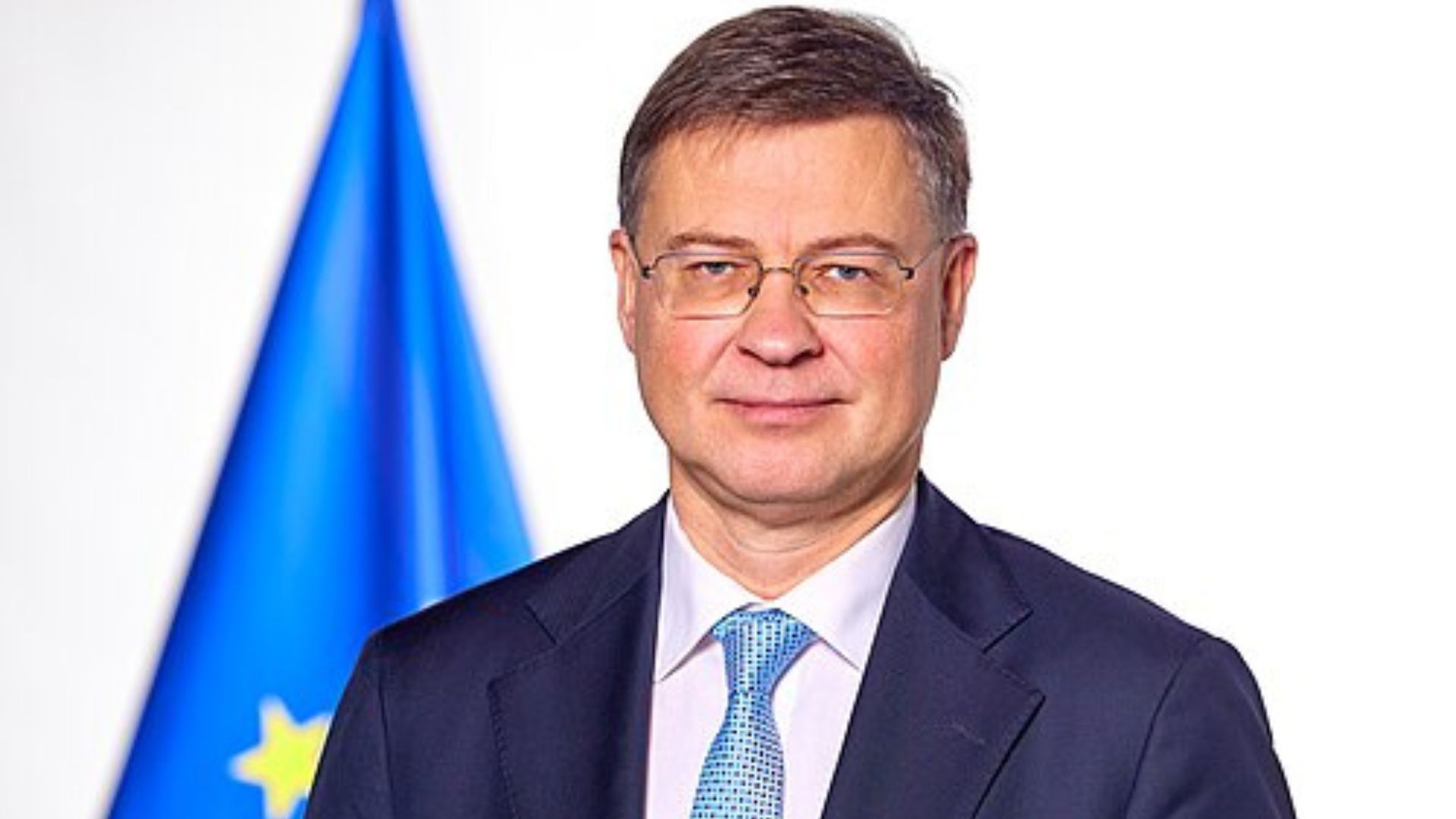
Valdis Dombrovskis European Commissioner
  • Home
  • News
  • Spain: Europe’s Economic Engine, What It Means for Life on the Costa del Sol
  • 16 Dec 2025
  • SC Marbella

Spain has once again been confirmed as the economic powerhouse of the European Union. According to the European Commission’s autumn forecasts, the country will grow by 2.9% this year – making it the fastest-growing major economy in Europe. For those of us living on the Costa del Sol, this isn’t just a headline figure; it’s a reflection of the confidence and stability that underpin daily life here.

Spain Outpaces Europe

While the EU average growth sits at 1.4%, Spain’s performance is double that. Germany is barely moving forward at 0.2%, and France is expected to grow by just 0.7%. In contrast, Spain’s robust expansion is driven by strong domestic demand, private consumption, and investment. Even as growth moderates to 2.3% in 2026 and 2% in 2027, Spain will remain ahead of its peers.

For residents and investors in the Costa del Sol, this means a buoyant property market, continued infrastructure improvements, and a steady stream of opportunities in tourism and services.

Tourism and Lifestyle on the Costa del Sol

Tourism remains a cornerstone of Spain’s success, and the Costa del Sol is at the heart of it. The Commission notes that while there are risks of reduced visitor numbers from countries like France and Germany, the sector is diversifying. Fewer American tourists are arriving, but more visitors from Asia are discovering Spain’s Mediterranean coast.

For locals, this translates into a vibrant, international atmosphere, whether you’re enjoying tapas in Marbella, strolling the promenade in Fuengirola, or exploring the cultural scene in Málaga. The blend of cultures enriches everyday life and sustains the region’s economy.

Inflation, Debt, and Stability

Inflation is expected to ease from 2.5% this year to 2% in 2026, keeping household budgets manageable. Public debt is forecast to fall below 100% of GDP, while deficits will shrink to 2.1% by 2027. These figures matter because they ensure Spain remains on a sustainable path, avoiding the fiscal instability seen elsewhere in Europe.

For those living in the Costa del Sol, this stability supports long-term investments, whether buying property, starting a business, or simply enjoying the security of a strong local economy.

Employment and Migration

Spain’s labour market is holding firm, with unemployment expected to drop below 10% for the first time in a decade. Migration has played a key role in this resilience, though challenges remain around affordable housing in major cities. On the Costa del Sol, however, the balance of opportunity and lifestyle continues to attract both international workers and retirees.

A Tale of Two Europes

While Spain thrives, France and Germany face stagnation. France is weighed down by debt and political uncertainty, while Germany struggles with trade tensions and sluggish exports. Against this backdrop, Spain and particularly regions like Andalusia and the Costa del Sol, stand out as places of optimism and growth.

Living the Benefits in the Costa del Sol

For residents, the economic story translates into real-life advantages:

  • Property values remain supported by strong demand.
  • Tourism-driven services create jobs and business opportunities.
  • Cultural diversity enriches everyday life.
  • Economic stability provides confidence for long-term living.

Spain may be the EU’s economic engine, but on the Costa del Sol, that engine powers a lifestyle of sunshine, Mediterranean living, and opportunity.

SC Marbella News

Related Post

La Cala Resort Crowned Spain’s Best Golf Hotel 2025
La Cala Resort Crowned Spain’s Best Golf Hotel
Read more
The Ultimate Lifestyle: Living on the Costa del Sol
Read more
Valdis Dombrovskis European Commissioner
  • Home
  • News
  • Spain: Europe’s Economic Engine, What It Means for Life on the Costa del Sol

Spain: Europe’s Economic Engine, What It Means for Life on the Costa del Sol

Spain has once again been confirmed as the economic powerhouse of the European Union. According to the European Commission’s autumn forecasts, the country will grow by 2.9% this year – making it the fastest-growing major economy in Europe. For those of us living on the Costa del Sol, this isn’t just a headline figure; it’s a reflection of the confidence and stability that underpin daily life here.

Spain Outpaces Europe

While the EU average growth sits at 1.4%, Spain’s performance is double that. Germany is barely moving forward at 0.2%, and France is expected to grow by just 0.7%. In contrast, Spain’s robust expansion is driven by strong domestic demand, private consumption, and investment. Even as growth moderates to 2.3% in 2026 and 2% in 2027, Spain will remain ahead of its peers.

For residents and investors in the Costa del Sol, this means a buoyant property market, continued infrastructure improvements, and a steady stream of opportunities in tourism and services.

Tourism and Lifestyle on the Costa del Sol

Tourism remains a cornerstone of Spain’s success, and the Costa del Sol is at the heart of it. The Commission notes that while there are risks of reduced visitor numbers from countries like France and Germany, the sector is diversifying. Fewer American tourists are arriving, but more visitors from Asia are discovering Spain’s Mediterranean coast.

For locals, this translates into a vibrant, international atmosphere, whether you’re enjoying tapas in Marbella, strolling the promenade in Fuengirola, or exploring the cultural scene in Málaga. The blend of cultures enriches everyday life and sustains the region’s economy.

Inflation, Debt, and Stability

Inflation is expected to ease from 2.5% this year to 2% in 2026, keeping household budgets manageable. Public debt is forecast to fall below 100% of GDP, while deficits will shrink to 2.1% by 2027. These figures matter because they ensure Spain remains on a sustainable path, avoiding the fiscal instability seen elsewhere in Europe.

For those living in the Costa del Sol, this stability supports long-term investments, whether buying property, starting a business, or simply enjoying the security of a strong local economy.

Employment and Migration

Spain’s labour market is holding firm, with unemployment expected to drop below 10% for the first time in a decade. Migration has played a key role in this resilience, though challenges remain around affordable housing in major cities. On the Costa del Sol, however, the balance of opportunity and lifestyle continues to attract both international workers and retirees.

A Tale of Two Europes

While Spain thrives, France and Germany face stagnation. France is weighed down by debt and political uncertainty, while Germany struggles with trade tensions and sluggish exports. Against this backdrop, Spain and particularly regions like Andalusia and the Costa del Sol, stand out as places of optimism and growth.

Living the Benefits in the Costa del Sol

For residents, the economic story translates into real-life advantages:

  • Property values remain supported by strong demand.
  • Tourism-driven services create jobs and business opportunities.
  • Cultural diversity enriches everyday life.
  • Economic stability provides confidence for long-term living.

Spain may be the EU’s economic engine, but on the Costa del Sol, that engine powers a lifestyle of sunshine, Mediterranean living, and opportunity.

Similar news

La Cala Resort Crowned Spain’s Best Golf Hotel 2025
La Cala Resort Crowned Spain’s Best Golf Hotel
Read more
The Ultimate Lifestyle: Living on the Costa del Sol
Read more

Sign Up to Our Newsletter

Subscribe to our newsletter for the latest contemporary homes, market insights, and lifestyle trends on the Costa del Sol.